Introduction
A complete list of low sodium foods by group, with milligram counts, plus how to cut salt without losing flavor and what it means for weight loss.
Why sodium matters
Sodium controls how much water your body holds and how hard your heart has to work to move blood. It is an essential mineral, so you need some of it, but most people eat far more than their body uses. Low sodium foods are the way you bring that number back down without giving up real meals. The fix is mostly about what you buy and how you cook, not about white-knuckling through bland plates.
Your kidneys balance sodium and water together. When sodium climbs, your body pulls in extra water to keep the concentration steady, which raises the volume of blood inside your vessels. Over time that added pressure stresses your arteries, your heart, and your kidneys. The CDC reports that most sodium in the American diet comes from packaged and restaurant food, not the salt shaker, which is why label reading matters more than holding back at the table.
The guideline is straightforward even though the typical intake is not. Federal dietary guidance sets the ceiling at 2,300 milligrams of sodium per day for adults, roughly one teaspoon of table salt. The average adult in the United States takes in closer to 3,400 milligrams. MedlinePlus notes that lowering intake helps manage blood pressure, and people with high blood pressure are often advised to aim lower still. The table below shows the common targets so you can see where you stand.
| Daily sodium target | Amount | Who it applies to |
|---|---|---|
| General ceiling | 2,300 mg | Most healthy adults |
| Tighter clinical target | 1,500 mg | Often advised for high blood pressure |
| Typical US intake | 3,400 mg | The average adult, well over the ceiling |
| One teaspoon of salt | about 2,300 mg | A useful mental reference |
Numbers like 1,500 milligrams are a clinical target your prescriber may set based on your health. Do not switch to a tighter limit on your own if you take blood pressure or heart medication. Ask your prescriber what number fits your situation, then use the food lists here to hit it.
The complete list of low-sodium foods by group
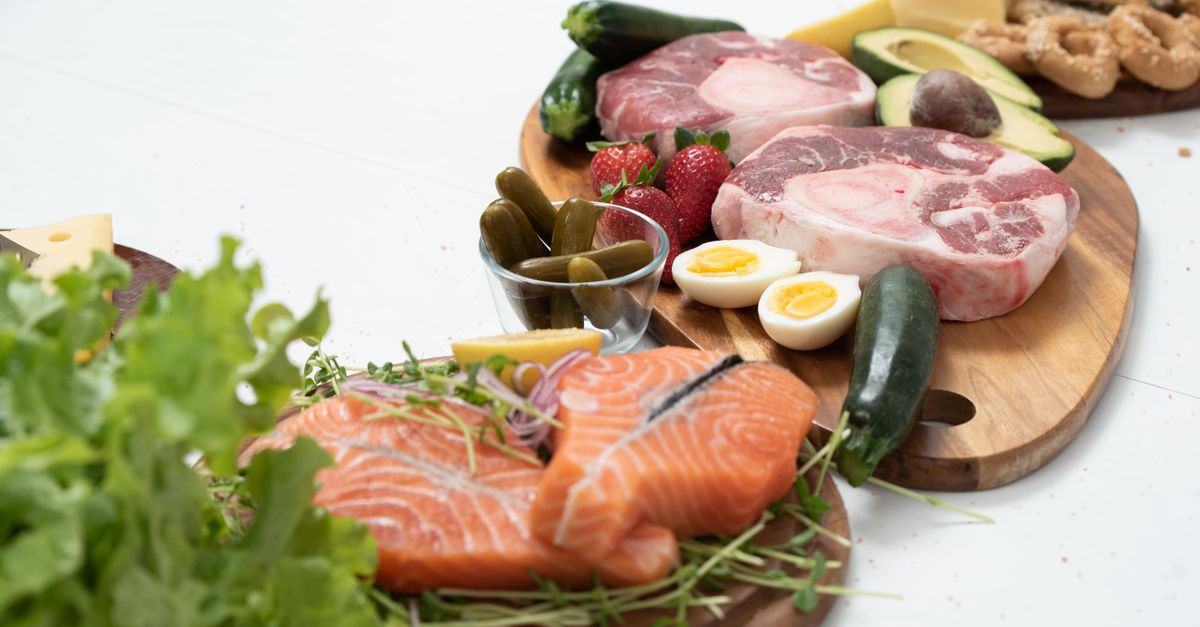
Whole, unprocessed foods are naturally low in sodium, and that is the simple rule behind every list below. Fresh produce, fresh meat and fish, plain grains, dried legumes, and unsalted dairy and nuts all start with very little sodium. Salt enters the picture during processing, canning, curing, and cooking, so the closer a food is to its raw form, the lower its sodium. Build most of your plate from the groups below and your daily total drops on its own.
The counts here are for a standard serving, drawn from published nutrition data. They are realistic kitchen portions, not lab measures, so you can use them to plan meals you will actually eat.
Fresh produce
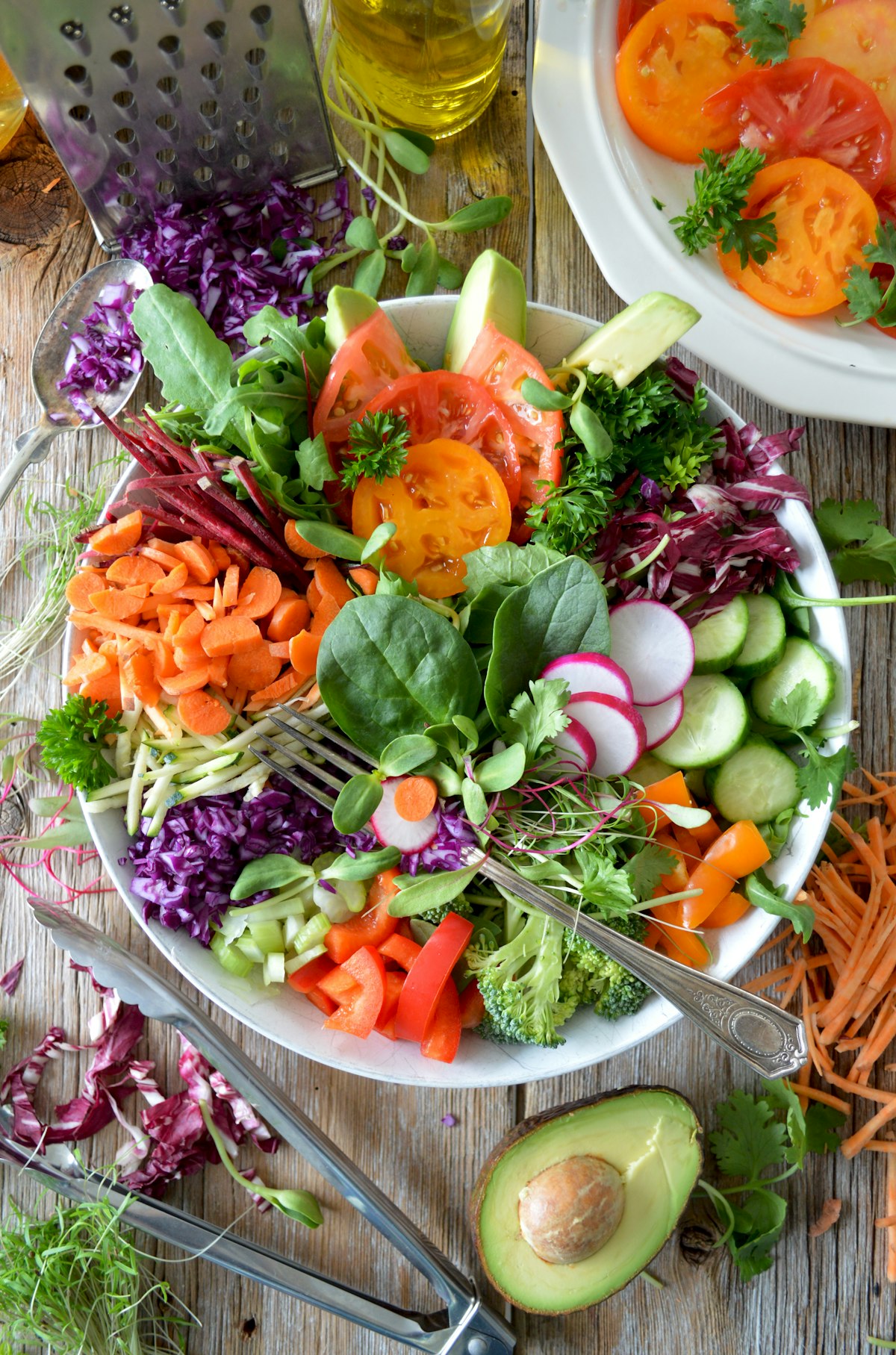
Fruits and vegetables in their fresh or plain frozen form carry almost no sodium. A whole apple has about 2 milligrams. Plain frozen vegetables count too, as long as no sauce or seasoning packet is added. The trouble starts with canned vegetables and jarred sauces, where salt is used to preserve and flavor.
| Food | Serving | Sodium (mg) |
|---|---|---|
| Apple, raw | 1 medium | 2 |
| Banana | 1 medium | 1 |
| Broccoli, raw | 1 cup | 30 |
| Spinach, raw | 1 cup | 24 |
| Sweet potato, baked | 1 medium | 41 |
| Bell pepper | 1 cup | 6 |
Fresh meats, poultry, and fish
Plain fresh cuts of meat, poultry, and fish are naturally low in sodium because the salt has not been added yet. A skinless chicken breast runs around 70 milligrams. The high-sodium versions are the processed ones, such as deli slices, bacon, sausage, and anything brined or cured. Mayo Clinic explains that processed meats are among the biggest sodium contributors, so choosing fresh cuts is one of the fastest ways to cut your total.
| Food | Serving | Sodium (mg) |
|---|---|---|
| Chicken breast, fresh | 3 oz | 70 |
| Salmon, fresh | 3 oz | 50 |
| Cod, fresh | 3 oz | 60 |
| Lean ground beef, fresh | 3 oz | 75 |
| Eggs | 1 large | 70 |
| Pork tenderloin, fresh | 3 oz | 55 |
Grains
Plain uncooked grains have very little sodium until salt is added in cooking or packaging. Cook rice, oats, and pasta without salt and the count stays near zero. Watch flavored rice mixes, boxed pasta sides, and most breads, where sodium is added during production. Choosing plain grains and seasoning them yourself keeps you in control.
| Food | Serving | Sodium (mg) |
|---|---|---|
| Brown rice, cooked no salt | 1 cup | 10 |
| Oats, cooked no salt | 1 cup | 5 |
| Quinoa, cooked no salt | 1 cup | 13 |
| Whole-wheat pasta, cooked no salt | 1 cup | 8 |
Legumes
Dried beans and lentils you cook yourself are low in sodium and rich in fiber and protein, which makes them a strong base for low sodium meals. The catch is canned beans, which are packed in salted liquid. Rinsing canned beans under running water removes a meaningful share of the sodium, so do that whenever you use them. For more on building meals around fiber-rich plants, see our guide to foods that have high fiber.
| Food | Serving | Sodium (mg) |
|---|---|---|
| Black beans, dried then cooked | 1 cup | 2 |
| Lentils, cooked no salt | 1 cup | 4 |
| Chickpeas, canned and rinsed | 1 cup | 180 |
| Kidney beans, canned no rinse | 1 cup | 380 |
Unsalted dairy and nuts
Plain dairy and unsalted nuts round out a low-sodium pantry. Plain milk and plain yogurt carry modest sodium, while unsalted nuts are nearly free of it. The salted versions are where the count jumps, especially salted nuts, processed cheese, and cottage cheese, which is surprisingly high. Reach for unsalted nuts and natural cheeses in smaller amounts.
| Food | Serving | Sodium (mg) |
|---|---|---|
| Plain milk | 1 cup | 105 |
| Plain yogurt | 1 cup | 115 |
| Unsalted almonds | 1 oz | 0 |
| Unsalted peanuts | 1 oz | 2 |
| Fresh mozzarella | 1 oz | 85 |
High-sodium foods to limit
Most of the sodium in a typical diet hides in processed, canned, restaurant, and condiment foods, not in the salt you add at home. That is the single most useful thing to understand, because it tells you where to look. A meal that tastes only mildly salty can still carry well over a day's worth of sodium once it has been processed. The table below shows where the big numbers come from.
| Food | Serving | Sodium (mg) |
|---|---|---|
| Canned soup | 1 cup | 700 |
| Deli turkey | 2 oz | 550 |
| Frozen pizza | 1 slice | 640 |
| Soy sauce | 1 tbsp | 900 |
| Bacon | 2 slices | 380 |
| Restaurant burger meal | 1 meal | 1,500 |
| Table salt | 1 tsp | 2,300 |
A few patterns stand out. Canned soup and restaurant meals can each carry a large share of your daily ceiling in one sitting. Condiments like soy sauce, ketchup, and salad dressing add up fast because they feel small. NIDDK guidance on weight management points to cooking more meals at home as a reliable way to control both calories and sodium, since restaurant and packaged foods are where the hidden salt lives. You do not have to cut these out forever, but knowing the numbers lets you spend your sodium where it counts.
How to cut salt without losing flavor
You can cut salt and still eat food that tastes good, because flavor comes from more than sodium. Herbs and aromatics, acid, and a bit of heat carry most of the load once you stop relying on the shaker. Lean on them and a dish reads as full even with the sodium down. Your palate also adjusts over a few weeks, so meals that seem under-seasoned at first start to taste right.
Herbs and aromatics build depth. Garlic, onion, ginger, fresh basil, cilantro, rosemary, and thyme all carry strong flavor with no sodium. Toasting spices or browning aromatics in a little oil pulls out more of their aroma, which makes a dish read as richer. Acid brightens everything: a squeeze of lemon or lime, a splash of vinegar, or a few tomatoes wake up a plate the way salt does, by sharpening contrast. Spice and heat give you the rest, from black pepper and smoked paprika to chili flakes and cumin, all of which add interest without a single milligram of sodium.
Two habits matter as much as any single ingredient. First, salt at the end rather than the start, because a pinch added just before serving sits on the surface where your tongue meets it, so you taste more salt from less. Second, read the label and pick the lower-sodium version of staples you buy often, such as broth, canned tomatoes, and bread. These small swaps compound across a week. For a broader template that already leans on herbs, acid, and produce, see our guide to the mediterranean diet for weight loss.
Low-sodium eating and weight loss
A low-sodium diet can drop the number on the scale quickly, but most of that early change is water, not fat. When you cut sodium, your body lets go of some of the extra water it was holding, which can show up as a loss of one to three pounds in the first week. That is real and it can feel good, but it is fluid weight, and it is not the same as losing body fat. Knowing the difference keeps you from being discouraged when the fast early drop slows down.
The more durable benefit is indirect and it is worth more. Cutting sodium pushes you toward whole foods and home cooking and away from processed and restaurant meals, and those processed foods tend to be high in calories as well as salt. So the same shift that lowers your sodium often lowers your calorie intake too, which is what actually drives fat loss. A 2018 review in PubMed found that reducing sodium intake lowered blood pressure, and the dietary pattern that gets you there overlaps closely with the pattern that supports steady weight loss. If you want the full framework, start with our healthiest weight loss diet guide, which puts sodium in context alongside calories, protein, and fiber.
Pairing low-sodium choices with adequate protein helps you hold onto muscle while you lose fat, and it keeps you full between meals. Our guide to high protein meals to lose weight shows how to build plates that satisfy without leaning on salty processed options. If you would rather follow a structured set of menus than build each plate yourself, browse our meal plans for ready-made options that keep sodium reasonable while covering your daily targets.
Reading nutrition labels for sodium
The Nutrition Facts label is the single most reliable tool you have for managing sodium, because most of the salt you eat is already in the food before you cook it. Sodium is listed in milligrams per serving, with a Percent Daily Value beside it that is based on the 2,300 milligram ceiling. A quick rule helps here: 5 percent Daily Value or less is low for sodium, and 20 percent or more is high. So a food at 480 milligrams shows 20 percent and counts as high.
Two traps catch people. The first is serving size. A can or bag may list a small serving, and if you eat the whole package you multiply the sodium by the number of servings inside. Check that number before you judge a food. The second trap is the front-of-package wording. A label that says "reduced sodium" only means it has at least 25 percent less than the regular version, which can still be high. "Low sodium" is the defined claim that means 140 milligrams or less per serving, so that is the phrase to trust. Mayo Clinic recommends comparing labels across brands, since two versions of the same product can differ widely. Spend thirty seconds comparing and you can often halve the sodium of a staple without changing your meals at all.
Frequently asked questions
What foods are naturally low in sodium?
Whole, unprocessed foods are naturally low in sodium because salt is added during processing rather than grown into the food. Fresh fruits and vegetables, plain frozen produce, fresh meat, poultry, and fish, eggs, dried beans and lentils you cook yourself, plain grains like rice and oats, unsalted nuts, and plain milk and yogurt all start with very little sodium. A fresh apple has about 2 milligrams and a fresh chicken breast around 70. The sodium climbs when these foods are canned, cured, breaded, or packaged with sauce, so the closer a food is to its raw form, the lower its sodium tends to be.
How much sodium should you eat per day?
Federal dietary guidance sets the ceiling at 2,300 milligrams of sodium per day for most healthy adults, which is roughly one teaspoon of table salt. People with high blood pressure are often advised to aim lower, sometimes near 1,500 milligrams, though that is a clinical target your prescriber should set based on your health and any medications you take. The average American eats about 3,400 milligrams a day, well above the ceiling, mostly from packaged and restaurant food rather than the salt shaker. Do not switch to a tighter limit on your own if you take blood pressure or heart medication. Ask your prescriber what number fits your situation.
Does a low-sodium diet help with weight loss?
A low-sodium diet helps with weight in two ways, one fast and one lasting. The fast change is water weight: cutting sodium lets your body release extra fluid, which can show up as a loss of one to three pounds in the first week. That is real but it is fluid, not fat, so the rapid early drop slows down once your body rebalances. The lasting benefit is indirect. Lowering sodium pushes you toward whole foods and home cooking and away from processed and restaurant meals that tend to be high in both salt and calories, so the same shift that cuts sodium often cuts calories too, which is what actually drives fat loss.
What high-sodium foods should you avoid?
The biggest sodium sources are processed, canned, restaurant, and condiment foods, not the salt you add at home. Canned soup can carry 700 milligrams or more per cup, deli meats around 550 milligrams per couple of ounces, and a single restaurant burger meal can approach 1,500 milligrams. Condiments add up fast because they feel small: one tablespoon of soy sauce holds about 900 milligrams. Frozen pizza, bacon, sausage, salty snacks, and bottled dressings round out the list. You do not have to cut these out entirely, but reading labels, rinsing canned foods, and cooking more meals at home gives you control over where your sodium goes.