Introduction
The Mediterranean diet is consistently ranked the world's healthiest diet. Here's how to use it for weight loss, with a complete 7-day meal plan and practical tips.
The Mediterranean diet has been named the best overall diet by U.S. News & World Report for seven consecutive years. But it's not just a heart-healthy eating pattern — it's also one of the most effective approaches for sustainable weight loss.
A 2022 systematic review in Nutrients found that people following a Mediterranean diet pattern lost an average of 4–10 pounds more than those on standard low-fat diets over 12 months. The difference comes down to a simple fact: the Mediterranean diet is built on foods that are naturally satisfying, so you eat less without feeling deprived. Those whole, unprocessed foods also keep it naturally low in salt; see our low sodium foods guide.
Table of Contents
- What the Mediterranean diet actually is
- 7-Day Mediterranean Diet Meal Plan
- Why it works for weight loss
- Practical ways to start today
What the Mediterranean diet actually is
The Mediterranean diet is not a strict meal plan or a set of rules about what you can't eat. It's a pattern of eating based on the traditional foods of countries bordering the Mediterranean Sea — Greece, Italy, Spain, and the Levant.
The core principles:
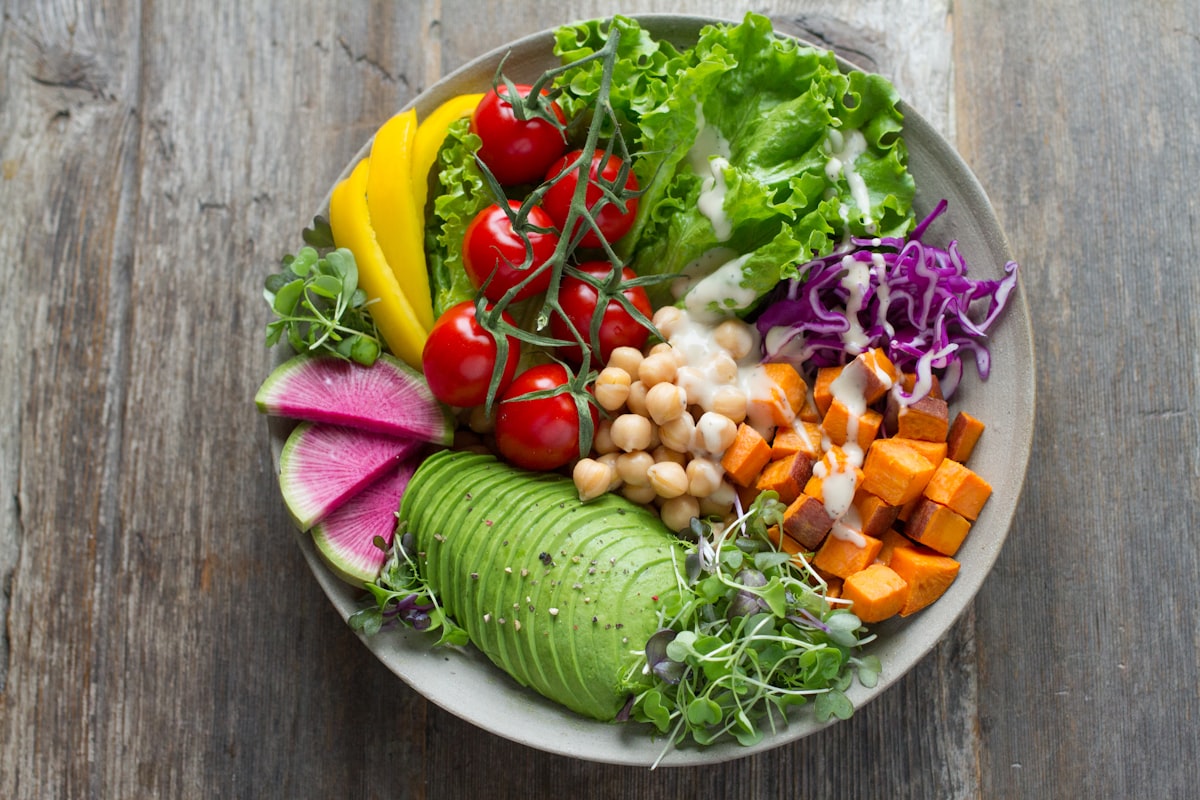
- Vegetables and fruits at every meal
- Whole grains instead of refined ones
- Legumes (beans, lentils, chickpeas) several times per week
- Fish and seafood as the primary animal protein
- Olive oil as the main fat source
- Nuts and seeds for snacks
- Moderate dairy (mostly yogurt and cheese)
- Limited red meat (a few times per month, not per week)
To understand how the Mediterranean diet compares to other approaches, read our Complete Guide to Weight Loss Nutrition.
7-Day Mediterranean Diet Meal Plan
Each day includes three meals and one snack. All meals are within a range of roughly 1,500–1,800 calories, adjustable for your individual needs.
Day 1
Breakfast: Greek yogurt (1 cup) topped with walnuts (¼ cup) and fresh berries (½ cup) — drizzle with honey.
Lunch: Chickpea and tuna salad — mix a can of tuna with ½ cup chickpeas, chopped cucumber, tomato, red onion, and a lemon-olive oil dressing.
Dinner: Baked salmon (5 oz) with a side of roasted broccoli and a small roasted potato, all tossed in olive oil and herbs.
Snack: Handful of almonds and an apple.
Day 2
Breakfast: Two eggs scrambled with spinach and tomato, served with a slice of whole-grain toast.
Lunch: Lentil soup (1.5 cups) with a side salad of mixed greens, cucumber, and olive oil vinaigrette.
Dinner: Grilled chicken breast (5 oz) over a bed of arugula with cherry tomatoes, olives, feta cheese, and a lemon-oregano dressing.
Snack: Baby carrots with hummus (¼ cup).
Day 3
Breakfast: Oatmeal cooked with milk, topped with sliced banana, chopped walnuts, and a sprinkle of cinnamon.
Lunch: Whole-grain pita stuffed with falafel (2 patties), lettuce, tomato, cucumber, and tahini sauce.
Dinner: Mediterranean sheet pan dinner — cod (5 oz), bell peppers, zucchini, cherry tomatoes, and red onion, roasted with olive oil and oregano.
Snack: A handful of mixed olives.
Day 4
Breakfast: Smoothie made with Greek yogurt (½ cup), frozen berries, a handful of spinach, and unsweetened almond milk.
Lunch: Quinoa bowl — quinoa with chickpeas, cucumber, tomato, red onion, parsley, and a lemon-tahini dressing.
Dinner: Turkey meatballs (4 oz) in tomato sauce served over whole-wheat pasta (1 cup cooked).
Snack: Pear slices with a small piece of cheese.
Day 5
Breakfast: Whole-grain toast topped with mashed avocado, a poached egg, and red pepper flakes.
Lunch: Grilled vegetable and halloumi skewers with a side of tabbouleh (parsley, bulgur, tomato, lemon).
Dinner: Shrimp (5 oz) sautéed in olive oil with garlic, served over a bed of sautéed spinach and a side of farro (½ cup).
Snack: Handful of pistachios.
Day 6
Breakfast: Chia pudding made with almond milk and chia seeds, topped with fresh figs or berries.
Lunch: White bean and tuna salad — cannellini beans, tuna, red onion, parsley, olive oil, and lemon juice, served over arugula.
Dinner: Grilled lamb chops (5 oz) with a Greek salad (tomato, cucumber, olives, feta, red onion) and a side of roasted eggplant.
Snack: Roasted chickpeas (½ cup, seasoned with paprika).
Day 7
Breakfast: Shakshuka — two eggs poached in a tomato-pepper sauce with cumin and paprika, served with whole-grain bread.
Lunch: Stuffed bell peppers — bell peppers filled with brown rice, ground turkey, tomato sauce, and herbs.
Dinner: Baked cod (5 oz) with a pistachio crust, served with roasted asparagus and a small sweet potato.
Snack: Dark chocolate (1 oz, 70%+ cocoa) with a few almonds.
Why it works for weight loss
The Mediterranean diet works for weight loss for three reasons that matter more than any single food:
High fiber volume. The emphasis on vegetables, legumes, and whole grains means your meals are naturally high in fiber. Fiber triggers satiety signals in your brain and slows digestion, so you eat less overall without trying.
Healthy fats keep cravings away. Olive oil, nuts, seeds, and fish provide monounsaturated and omega-3 fats that support stable blood sugar and reduce cravings for processed foods. A meal cooked in olive oil leaves you satisfied for hours.
No foods are banned. The Mediterranean diet doesn't tell you to avoid any food group. This makes it easier to follow long-term than restrictive diets. The absence of deprivation triggers fewer binge cycles.
Practical ways to start today
You don't need to overhaul your entire diet at once. Three changes make the biggest difference:
- Cook with olive oil instead of butter or vegetable oil. It's the single biggest shift and changes the fat profile of everything you eat.
- Eat fish twice a week. Replace two meat-based dinners with seafood. Canned sardines, tuna, and frozen salmon all count.
- Add vegetables to every meal. Breakfast, lunch, and dinner. A handful of spinach in your eggs, extra tomatoes on your sandwich, or roasted broccoli alongside dinner.
For more on the science of how different eating patterns affect body composition, read about High-Protein Meals for Weight Loss and High-Fiber Foods That Help You Lose Weight.
FAQ
Is the Mediterranean diet effective for weight loss?
Yes, when you maintain a calorie deficit. The Mediterranean diet's emphasis on whole foods, healthy fats, and fiber makes it easier to stay in a deficit without feeling deprived. A 2019 study in Nutrition Reviews found that people following a Mediterranean diet lost an average of 4 to 10 pounds over 12 months without strict calorie counting.
Do I need to buy expensive olive oil and imported ingredients?
No. Basic extra virgin olive oil from any grocery store works fine. The core principles are simple: cook with olive oil instead of butter, eat fish twice a week, fill half your plate with vegetables, and choose whole grains. You don't need imported cheeses or specialty items.
Can I eat pasta and bread on the Mediterranean diet?
Yes. The Mediterranean diet includes whole grain pasta and bread in moderate portions. The difference is that these foods are eaten as part of a meal with vegetables, protein, and healthy fat — not as the main event. A serving of pasta in this context is about one cup, served alongside a large salad and a portion of fish or chicken.
How does this diet compare to low-carb for weight loss?
Both work for weight loss if you maintain a calorie deficit. A 2020 analysis in the American Journal of Clinical Nutrition found that Mediterranean and low-carb diets produced similar weight loss at 12 months. The Mediterranean diet tends to be easier to sustain long-term because it's less restrictive and includes a wider variety of foods.