Introduction
Plan healthy meal prep lunches with flexible bowls, a shared shopping list, and clear food-safety guidance for storage and reheating.
Start with the lunch you will eat
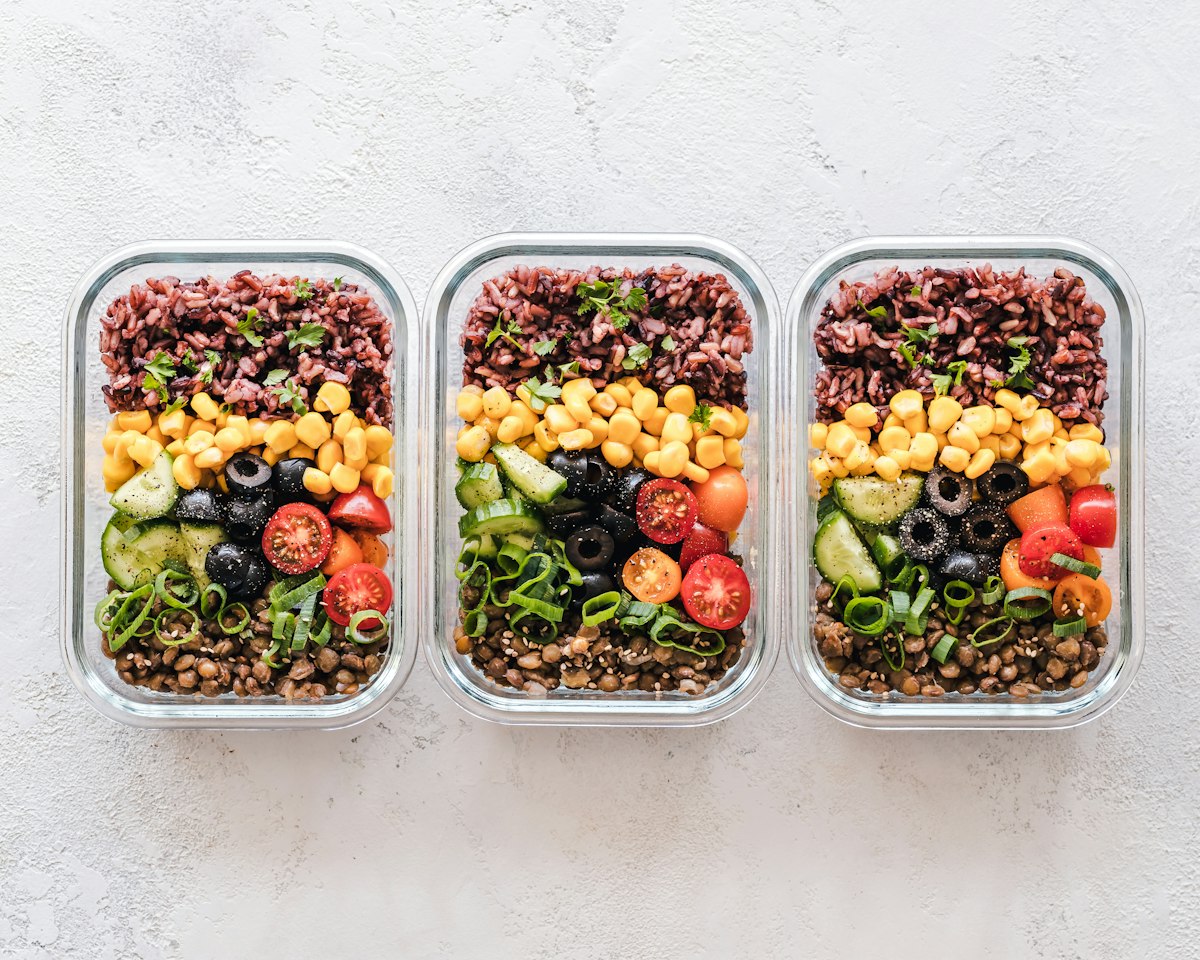
Healthy meal prep lunches begin with a decision, not a recipe. Pick a lunch you like, decide which days you will pack it, and plan the cold storage it needs. A bowl or a wrap is a good first choice. Keep the first week small enough to fit in your refrigerator.
In this guide, lunch prep means preparing ingredients or whole meals before the day you intend to eat them. The menus and quantities below are practical ideas, not tested recipes or research findings. Adjust them to your own shopping list, your taste, and your schedule.
At a glance, start with these four moves:
- Pick two lunch combinations you want to eat.
- Write the prep date and the lunch day on each container.
- Check cold storage at home and at work before you shop.
- Keep a backup lunch for the day a prep session falls through.
If you plan other meals too, a weight loss meal plan can hold lunch as one piece. For now, count the workdays you expect to pack lunch, and leave room for a meeting lunch or a day out of the office. Choose the menu after you know the days.
Choose ingredients before choosing recipes
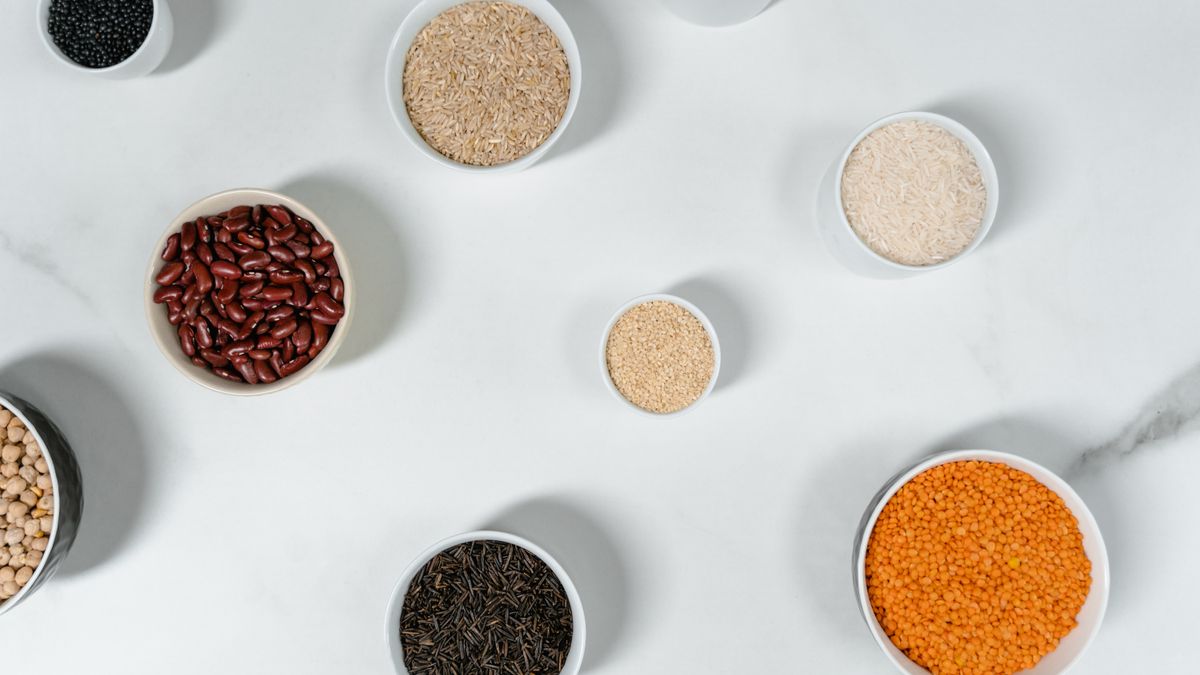
Pick foods from several groups, then decide how to combine them. The CDC recommends varied protein foods, fruits and vegetables, and whole grains. Its meal guidance also counts frozen or canned produce as an option when it has no added sugar and is low in sodium.
For your shopping note, put a protein column beside a vegetable column. Add a grain or bread, then the seasonings. That might give you chickpeas, cucumber, whole-grain bread, and lemon. Or chicken, broccoli, brown rice, and salsa. These are examples, not meal rules.
Let your own needs set how much you pack. Mayo Clinic separates a serving size from a portion size. A serving size is an amount of food, such as the amount on a nutrition label. A portion is the amount you choose to eat. The article adds that individual energy and nutrient needs affect portion choices.
Next, set out your work lunch container and write down what you plan to put in it. Do not treat the container's capacity as a dietary target, and consider carrying fruit beside it or packing bread apart from the filling. Put those extras on the shopping list too.
Easy meal prep lunches for a short first week
Easy meal prep lunches repeat ingredients across a few days. The calendar below is a first-week example. It schedules fresh prep sessions during the week because a Sunday batch cannot cover Friday for foods with a three to four day limit.
| Lunch day | Suggested lunch | Suggested preparation |
|---|---|---|
| Monday | Chickpea, cucumber, and quinoa bowl | Assemble Sunday for Monday |
| Tuesday | Chicken, broccoli, and brown rice bowl | Cook Monday for Tuesday |
| Wednesday | White bean and vegetable wrap | Assemble Tuesday for Wednesday |
| Thursday | Lentil soup with bread | Cook Wednesday for Thursday |
| Friday | Repeat your preferred bowl | Prepare Thursday for Friday |
Move the days to fit your calendar. If Wednesday is a work lunch out, leave it open and skip that portion, and if you work from home on Friday, decide whether you want a packed lunch at all. Count only the lunches you plan to make.
The 7 day meal plan to lose weight shows how lunch fits among other meals. Read it as a related guide. The lunch calendar here stands alone, and you can swap ingredients without adopting a calorie target.
Meal prep lunch recipes you can assemble
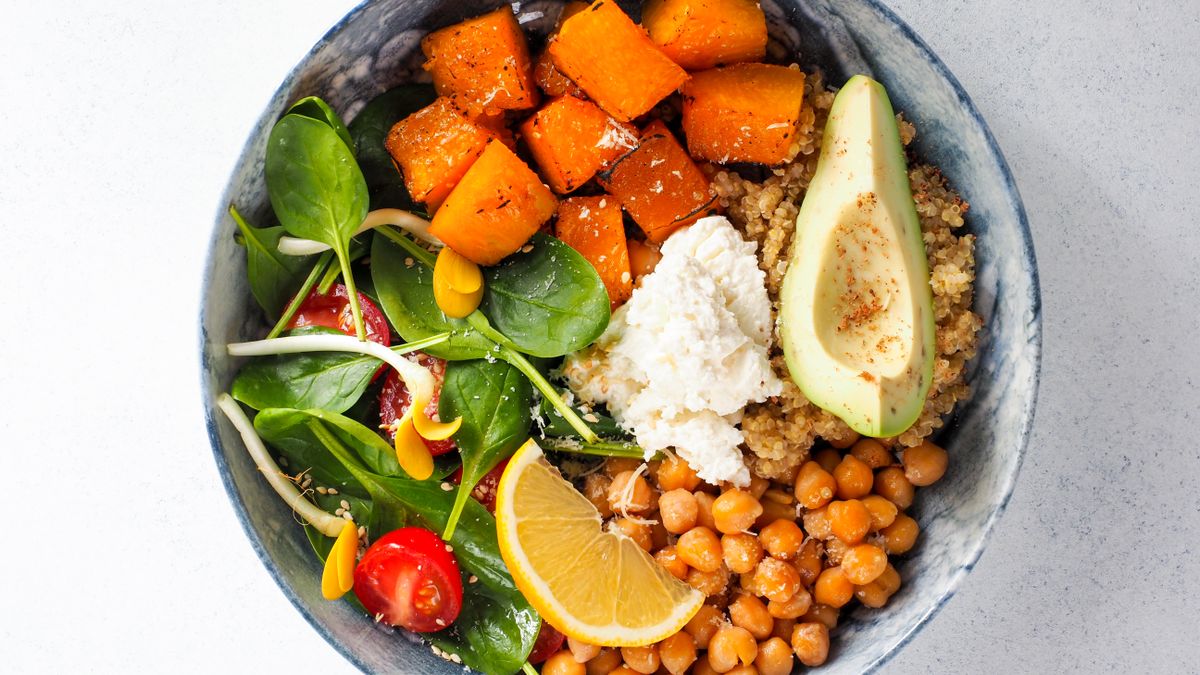
These meal prep lunch recipes are assembly ideas with quantities you can change. Follow package directions for grains and lentils. Check cooked meat with a food thermometer, using the safety guidance further down. No nutrition totals or fixed cooking times come with these examples.
Chickpea and quinoa bowl
Start with cooked quinoa, chickpeas, chopped cucumber, and tomatoes. This is an original combination, not a tested recipe.
Spoon the quinoa into your container, then add the chickpeas and vegetables. Lemon with olive oil makes a simple dressing, or you can use one you already like. Carry the dressing in a separate container if you would rather dress the bowl at lunch. Set the quantities for your own portion.
Make a second bowl from the same ingredients only if you want to eat them twice, perhaps with parsley in one bowl and a different dressing in the other. Decide before you shop, because you do not need several sauces in week one.
Chicken, broccoli, and rice bowl
For a warm lunch, combine cooked chicken, broccoli, and brown rice. Follow the rice package directions and cook the broccoli the way you usually do. The FDA lists 165°F as the minimum internal temperature for poultry. Check the chicken with a food thermometer.
Pack salsa or another familiar sauce in the amount you want, and try the bowl at home before it joins your work rotation. Note whether you want more vegetables, a different seasoning, or a separate side next time. Those notes record your preferences. They do not measure the meal's health effects.
For a meatless version, use chickpeas in place of chicken and keep the broccoli and rice. That is a different combination with its own quantities. Do not assume the two versions have the same nutrient totals. This guide calculates neither.
White bean and vegetable wrap
Mash white beans, then add chopped cucumber and grated carrot inside a whole-grain wrap. Add a seasoning you like. You can carry the filling apart from the wrap and assemble it at lunch. Or skip the wrap and pack bread beside a bean salad.
To keep shopping simple, use one bean variety for both this lunch and the bowl. Pick ingredients you already enjoy cold, and taste the filling as you make it before deciding whether it needs lemon, herbs, or another seasoning. Follow the handling instructions on ingredient labels.
Lentil soup and bread
Use a lentil soup recipe you already know, then portion it for the planned lunch day. A simple start is lentils with chopped carrots and tomatoes. Follow the lentil package directions or your recipe. Pack bread as a separate item if you want it.
Check the date on soup from an earlier batch. The FDA refrigerator storage chart gives vegetable or meat soups and stews a three to four day refrigerated window. The chart assumes a refrigerator at 40°F. It lists two to three months of best quality in the freezer for the same soups, so freeze any portion you will not eat inside the refrigerator window.
Shop for the lunches on your calendar
Write a shopping list for the portions you plan to pack. The table below is a starting basket for the examples above. It does not say what one person should eat, and it does not promise a price. Check your kitchen before you set quantities.
| Shopping category | Suggested shared ingredients | Lunches to use them in |
|---|---|---|
| Beans and lentils | Chickpeas, white beans, lentils | Bowl, wrap, soup |
| Grains and bread | Quinoa or brown rice, wraps or bread | Bowls, wrap, soup side |
| Vegetables | Cucumber, tomatoes, carrots, broccoli | Bowls, filling, soup |
| Optional poultry | Chicken | Warm rice bowl |
| Seasoning | Lemon, herbs, olive oil, familiar sauce | Chosen lunches |
Cross off what you already own, then ask whether each remaining item has a job in the planned lunches. If you drop the soup day, drop the lentils unless you want them for another meal. Keep the list tied to the calendar.
If a store lacks an ingredient, pick a replacement you want to eat and rewrite that lunch. Try another vegetable in the bowl, or use bread beside the filling instead of a wrap. Do not buy an ingredient only because you think lunch prep requires it.
On the first trip, consider buying for one bowl and one wrap instead of all four lunches. Add a soup day later if you want one. Bring the written list, but leave room to change a lunch when a package size does not suit you. Recount the portions after you change anything.
Prepare food, then label the portions
Plan your prep order before you start, and keep raw poultry apart from foods you will eat without more cooking. FDA safe-handling guidance recommends separate cutting boards for produce and raw meat or poultry. It also advises washing hands with soap for at least 20 seconds before and after handling food.
Start with your recipe instructions and set out the containers you plan to fill. Cook the grain or soup. Prepare vegetables with clean utensils, and follow the food-safety guidance for any meat. Do not set a finish time before you know your recipe and your equipment.
Label each portion with its prep date and its lunch day, and add the food's name if you pack several different meals. If someone else shares your kitchen, add your name too. A label should be readable without opening the container.
Plan a second prep slot for lunches later in the week. You could prepare Monday's lunch on Sunday and Thursday's on Wednesday. Adjust those times around your work hours, and keep storage limits separate from scheduling preferences.
Before you stop, look at tomorrow's lunch as one complete package. Include the cutlery, a side if you planned one, and the dressing container. Put the bag where you will see it, but keep perishable food in the refrigerator until you leave. A note beside your keys beats taking lunch out early.
Store and reheat lunch using food-safety guidance
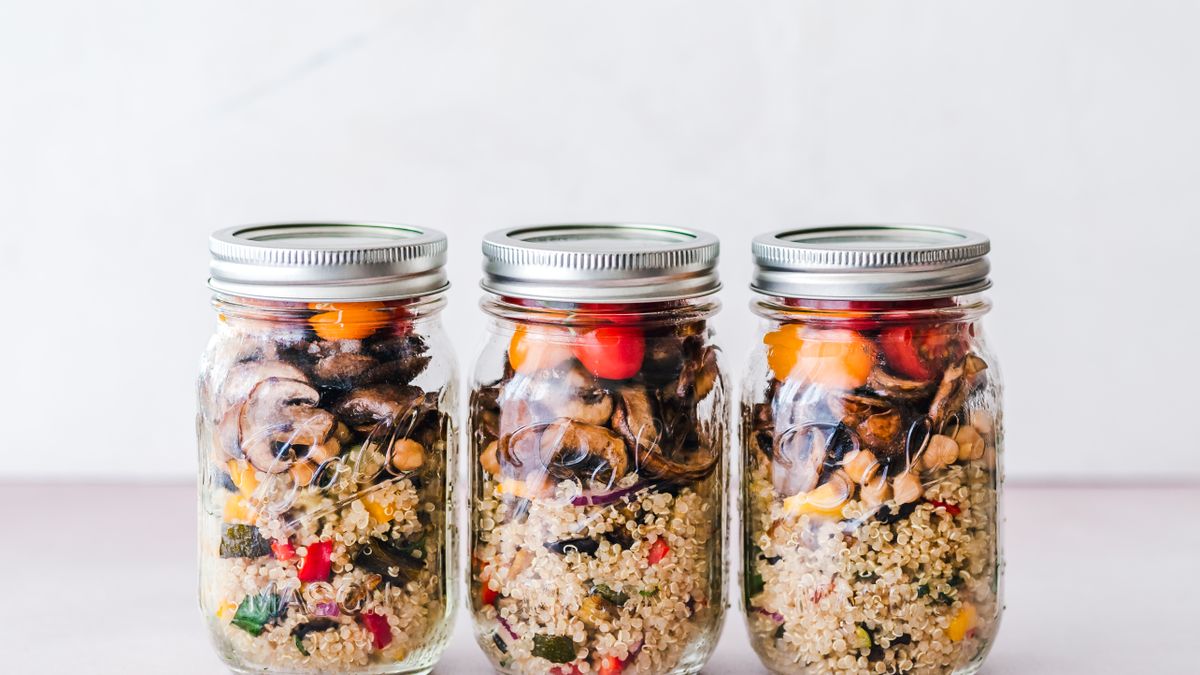
Plan cold storage and reheating before you carry a perishable lunch to work. The FDA advises refrigerating perishables within two hours, or within one hour above 90°F. It recommends a refrigerator at 40°F or below and dividing large batches into shallow containers to cool.
The FDA storage chart, dated March 2018, lists three to four refrigerated days for cooked poultry dishes and cooked meat dishes. Food category and storage conditions matter. Find the category that matches your food, follow its handling instructions, and freeze portions you plan to eat later. Do not assign a whole workweek to the refrigerator without checking those limits.
For reheating, the FDA lists 165°F for leftovers. Its microwave guidance calls for covering, stirring, and rotating the food, then letting it stand before you check the temperature. Use a food thermometer rather than judging by appearance.
Check refrigeration at work and decide how you will keep food cold on the way. If your commute or your workplace cannot keep food cold enough, choose a different lunch arrangement. Keep the container label and your cold-storage plan together, and check both before you take lunch out of your refrigerator.
Meal prep lunch ideas for work without a microwave
If your workplace has a refrigerator but no microwave, plan cold lunches. Try the chickpea bowl, or the bean filling with bread. Taste the combination cold at home before you make it a regular work lunch.
Count the commute as part of the plan, carry perishable food with suitable cold storage, and put it in the work refrigerator when you arrive. If you cannot keep it cold, pick a different arrangement. A meeting that runs through lunch is a reason to leave the food refrigerated until you can eat.
Keep a backup in your calendar for a missed prep session. You could buy lunch that day or make something that morning, but check the ingredients and storage needs before you pack. Do not turn an unlabeled container into the backup by guessing its age.
To plan beyond these examples, browse the existing meal plans. Pick one lunch to try next. Write its ingredients on your list and choose its prep day before you add another.
Frequently asked questions
Can I prepare all my work lunches on Sunday?
Plan Sunday prep around each food's storage guidance and the day you eat it. The FDA storage chart gives cooked poultry dishes three to four days in a 40°F refrigerator. That is not a five-workday refrigerator plan. Instead, prepare the first lunches on Sunday and make another batch midweek. Freeze suitable portions for later days rather than stretching their refrigerated time. Write the prep date on every container, and keep your calendar choices separate from the food's storage limit.
What can I pack if I do not eat chicken?
Try the chickpea bowl, the white bean wrap filling, or the lentil soup. The CDC includes beans, peas, lentils, nuts, seeds, and soy among varied protein-food options. Pick a combination you like and set the portion for your own needs. For example, pack bean filling with bread and chopped vegetables instead of a chicken rice bowl. That is a different lunch, not a nutritionally identical swap. This guide assigns no protein totals or personal intake targets to either meal.
How much food should I put in a lunch container?
Choose the amount for your own needs instead of filling the container by default. Mayo Clinic explains that a portion is the amount you choose to eat, and that individual needs affect portion size. Try a planning exercise. Write down what you intend to pack before you assemble it, including any bread, fruit, or dressing beside the main lunch. After you eat that meal, note the quantities you would change. The container size is not a prescribed meal size.
What should I do if I miss a prep session?
Pick a new lunch for the missed day and adjust the grocery list before your next session. You could buy lunch, or assemble a bean bowl from ingredients you can handle and store safely. Food-safety limits stay in place when the calendar changes. The FDA advises refrigerating perishables within two hours, or one hour above 90°F. Check the age and storage of any ingredient you already opened. If you cannot establish its storage history, choose a different lunch rather than guessing.