Introduction
Most people think cardio is the only way to lose weight. Strength training is actually more effective for long-term fat loss. Here's why and how to start.
If you want to lose weight and keep it off, strength training is arguably more important than cardio. That's not a popular opinion, but it's what the research shows.
A 2018 review in Sports Medicine analyzed 58 studies on exercise and weight loss and found that resistance training was the most effective exercise modality for preserving muscle mass during a calorie deficit. More muscle means a higher resting metabolic rate, which means you burn more calories throughout the day — even while sitting still.
Table of Contents
- Why strength training matters for weight loss
- How to start strength training for weight loss
- The role of cardio
- Nutrition is still the foundation
- Sample beginner strength session
- When to expect results
Why strength training matters for weight loss
Muscle burns calories at rest
Every pound of muscle you carry burns roughly 6–7 calories per day at rest. That doesn't sound like much, but over the course of a year, gaining 5 pounds of muscle raises your baseline calorie burn by roughly 10,000 calories — about 3 pounds of fat — without any additional effort.
It prevents metabolic slowdown
When you lose weight without strength training, roughly 25% of the weight you lose comes from muscle. Losing muscle lowers your metabolism, which makes it harder to keep weight off. A 2015 study in Obesity found that people who included resistance training during weight loss preserved more muscle and had significantly better weight maintenance at 12 months compared to people who only dieted.
The afterburn effect
Strength training creates excess post-exercise oxygen consumption (EPOC) — also called the afterburn effect. For 24–48 hours after a challenging strength session, your body continues burning more calories than usual as it repairs muscle tissue and replenishes energy stores. Cardio's afterburn effect lasts about 30–60 minutes.
How to start strength training for weight loss
You don't need a gym membership or expensive equipment. Bodyweight exercises, resistance bands, and a pair of dumbbells are enough to build muscle.
The compound movement framework
Focus on exercises that work multiple muscle groups at once. These burn more calories per minute and build more functional strength:
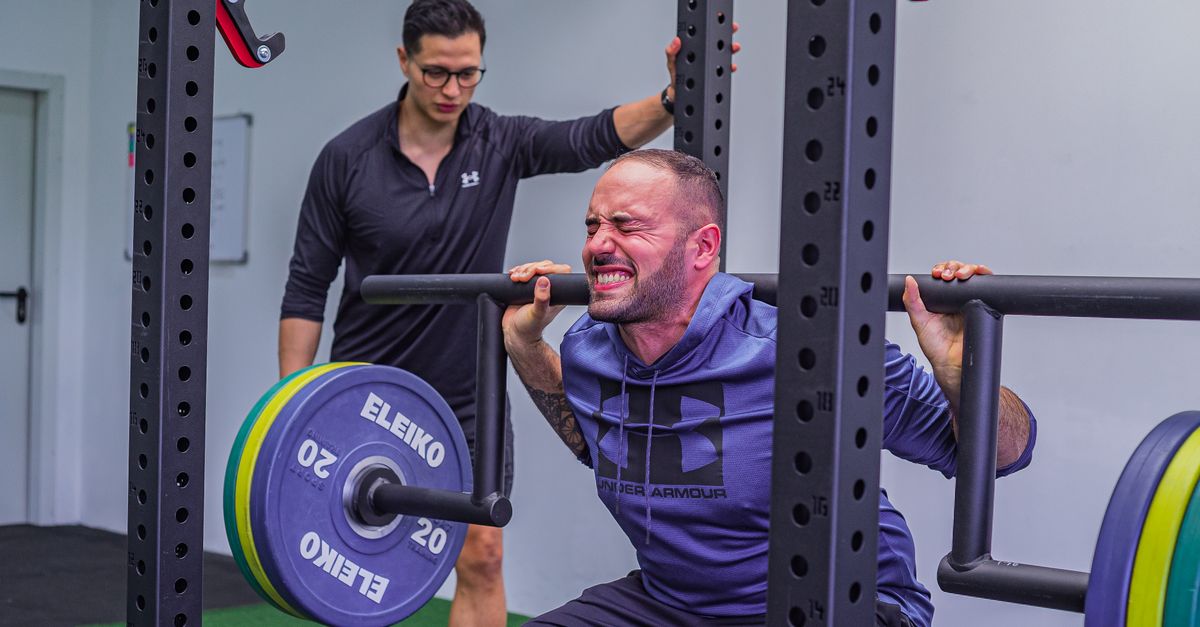
- Squats (or bodyweight squats)
- Deadlifts (or dumbbell deadlifts)
- Push-ups (or incline push-ups)
- Rows (or bent-over dumbbell rows)
- Overhead presses
- Pull-ups (or lat pulldowns / assisted pull-ups)
Weekly structure for weight loss
Frequency: 3 strength sessions per week, 45–60 minutes each, with at least one rest day between sessions.
Sets and reps: - 3 sets of 8–12 repetitions per exercise - Rest 60–90 seconds between sets - Choose a weight where the last 2 reps of each set are challenging but doable
Progressive overload: Increase the weight, reps, or sets by a small amount each week. This is how your body knows to build more muscle.
For a complete beginner program, see our Gym Workouts to Lose Weight guide.
The role of cardio
Cardio is not useless for weight loss — it burns calories in the moment and supports heart health. The problem is that most people over-rely on it and under-prioritize strength training. The optimal combination for fat loss is:
- 3 days per week: strength training (primary)
- 2–3 days per week: moderate cardio (walking, jogging, cycling)
- 1 day per week: HIIT (optional, for variety)
Even short cardio sessions make a difference. For a structured approach, see our Running Program for Weight Loss.
Nutrition is still the foundation
Exercise without nutrition won't produce weight loss. Strength training preserves muscle and increases metabolism, but you still need a Calorie Deficit Diet Plan for your body to tap into stored fat.
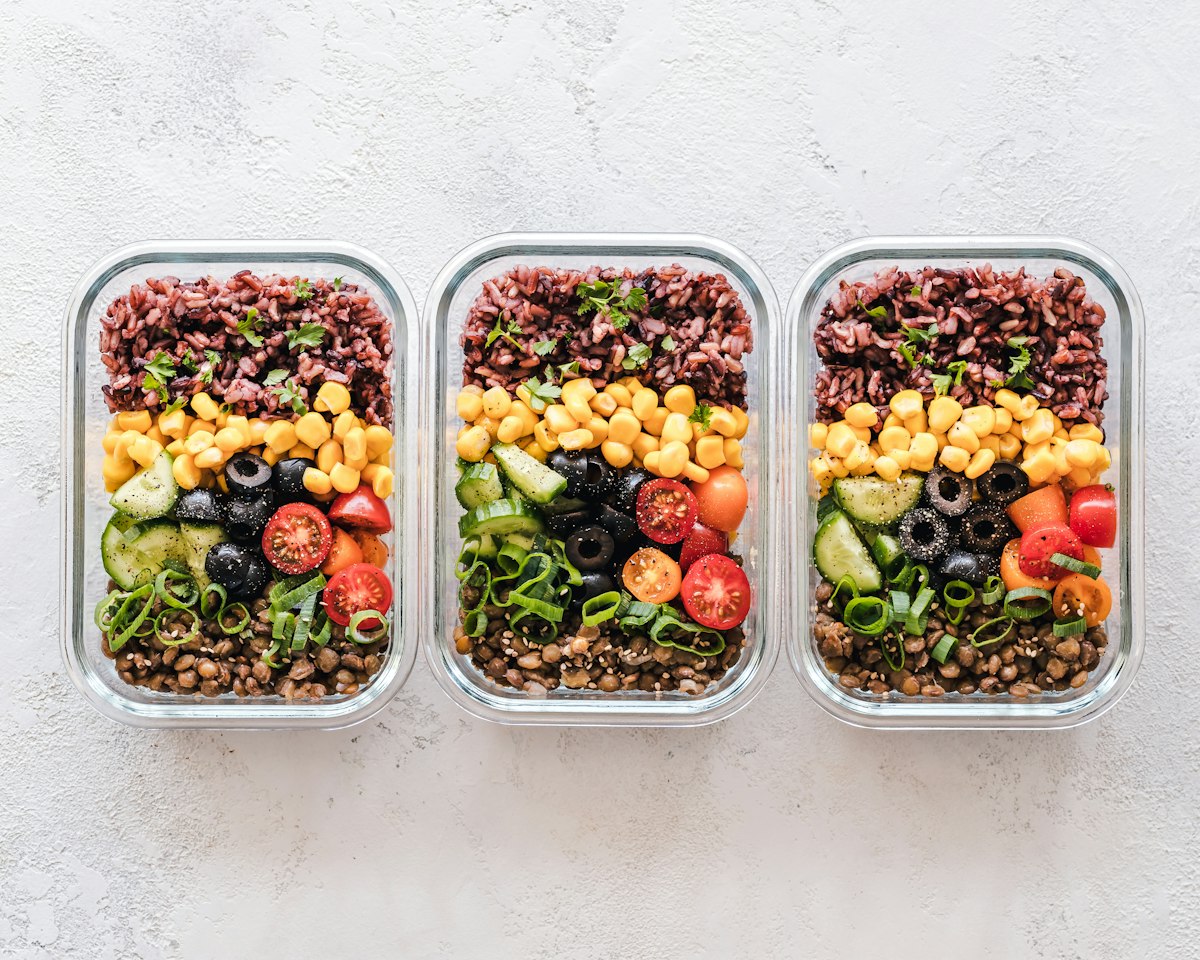
The combination of strength training and adequate protein intake is especially powerful. See our guide to High-Protein Meals for Weight Loss for how to fuel your workouts.
Sample beginner strength session
Complete this circuit 3 times, resting 60 seconds between rounds:
- Bodyweight squats — 12 reps (focus on depth and form)
- Incline push-ups — 10 reps (use a bench or counter)
- Dumbbell rows — 10 reps per side
- Glute bridges — 12 reps
- Plank — 30 seconds
- Dumbbell overhead press — 10 reps
This takes about 20 minutes. As you get stronger, add more weight or more reps.
When to expect results
With consistent strength training and a moderate calorie deficit, most people see noticeable body composition changes in 6–8 weeks. The number on the scale may not change dramatically early on because you're gaining muscle while losing fat — the mirror and how your clothes fit are better measures of progress.
For a full body composition transformation, commit to strength training as a permanent habit, not a temporary phase. The CDC's physical activity guidelines recommend muscle-strengthening activities at least 2 days per week as a baseline for all adults.
FAQ
How many days per week should I strength train for weight loss?
Three days per week is the sweet spot for most people. It's enough to stimulate muscle growth and create a meaningful metabolic effect, but not so much that it interferes with recovery. Each session should be 40 to 60 minutes and target all major muscle groups. Two days per week can still produce results, but the progress will be slower.
Will lifting weights make me bulky?
No. Building significant muscle mass requires years of dedicated training, high protein intake, and often a calorie surplus. The "bulky" concern is especially unfounded for women, who have lower testosterone levels than men. Strength training during weight loss actually produces a leaner, more defined appearance because you're losing fat while preserving the muscle underneath.
Should I do cardio or weights for weight loss?
Both, but prioritize strength training. Cardio burns more calories during the workout, but strength training raises your resting metabolism for up to 48 hours afterward through the excess post-exercise oxygen consumption effect. More importantly, strength training preserves muscle mass during weight loss, which keeps your metabolism from dropping as much as it would with diet and cardio alone.
How long until I see results from strength training?
You'll notice changes in how your clothes fit within four to six weeks. Visible changes in muscle definition typically take eight to twelve weeks. The number on the scale may stay the same or even go up slightly at first because muscle is denser than fat. Don't rely on the scale alone — track measurements, strength gains, and progress photos.