Introduction
Resistance training builds muscle, boosts metabolism, and reshapes your body during weight loss. Here's everything you need to know about lifting for fat loss.
Resistance training — lifting weights, using resistance bands, or doing bodyweight exercises — is the most underrated tool in weight loss. While cardio burns calories during the workout, resistance training changes your body composition in a way that keeps your metabolism elevated long after you've left the gym.
Table of Contents
- Why resistance training is essential for weight loss
- The difference between weight training and resistance training
- The best resistance training exercises for fat loss
- Sample resistance training program
- Bodyweight resistance training (no equipment needed)
- Resistance training and HIIT
- How much resistance training do you need?
Why resistance training is essential for weight loss
When you lose weight through diet and cardio alone, roughly 20–25% of the weight you lose comes from muscle. Losing muscle lowers your resting metabolic rate — the calories your body burns at rest — which means you need to eat fewer calories to maintain the same weight.
Resistance training prevents this. It sends a signal to your body that muscle is needed, so it taps into fat stores instead. A 2018 review in Sports Medicine found that people who included resistance training during weight loss preserved significantly more muscle and had higher metabolic rates at the end of the study compared to those who didn't.
The difference between weight training and resistance training
The terms are often used interchangeably, but there's a distinction:
Weight training specifically means using external weights — dumbbells, barbells, weight machines.
Resistance training is broader — it includes weight training plus bodyweight exercises, resistance bands, kettlebells, and any other method where your muscles work against resistance.
Both produce the same metabolic benefits. The best choice is whatever you have access to and can do consistently.
The best resistance training exercises for fat loss
Compound exercises — movements that work multiple joints and muscle groups — are the most effective for weight loss because they burn more calories per rep and stimulate more muscle growth.
Upper body
| Exercise | Equipment | Muscles worked |
|---|---|---|
| Push-ups | Bodyweight | Chest, shoulders, triceps, core |
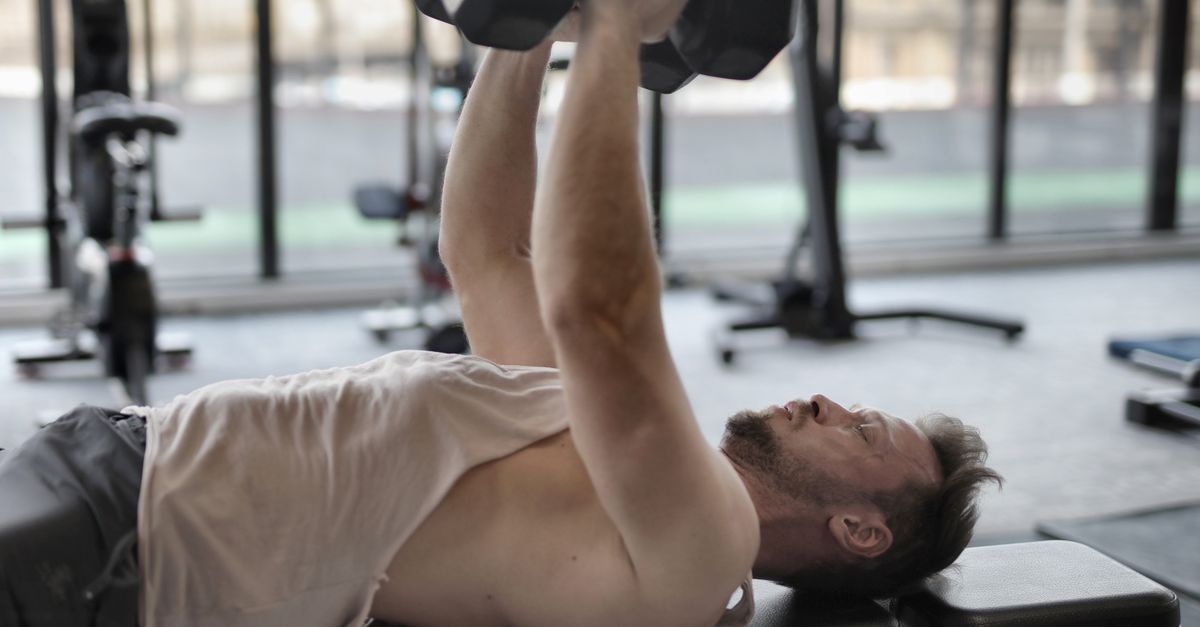
| Dumbbell bench press | Dumbbells or barbell | Chest, shoulders, triceps |
| Bent-over rows | Dumbbells or barbell | Back, biceps |
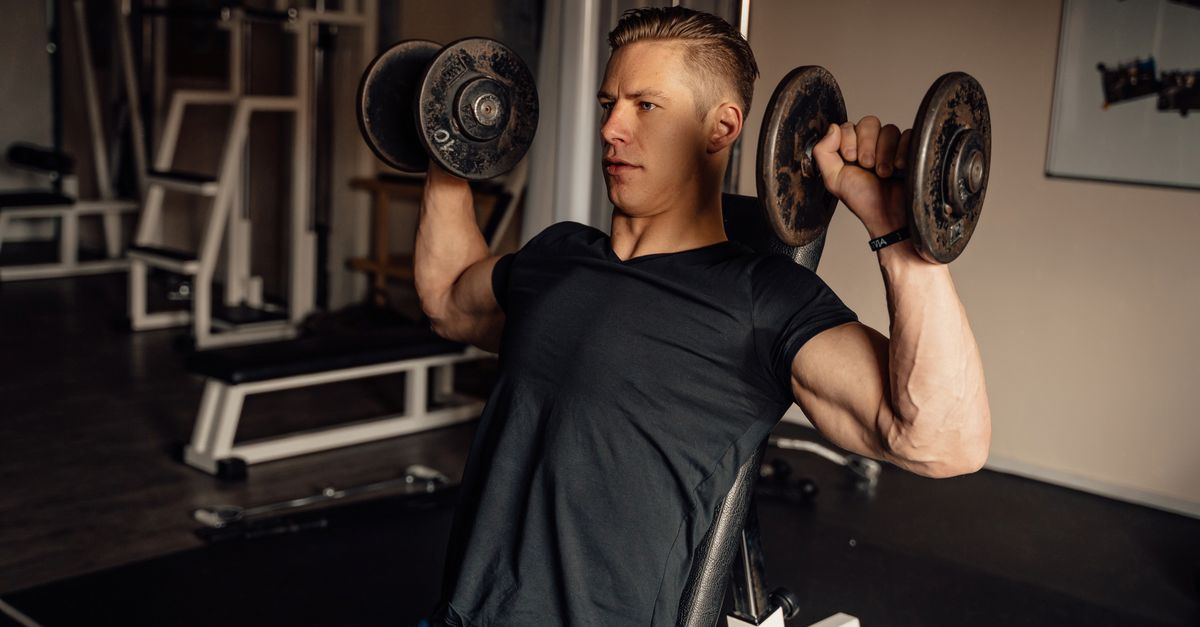
| Overhead press | Dumbbells or barbell | Shoulders, triceps |
| Pull-ups / lat pulldowns | Bar or cable machine | Back, biceps |
| Dumbbell curls | Dumbbells | Biceps |
| Tricep dips | Bench or parallel bars | Triceps |
Lower body
| Exercise | Equipment | Muscles worked |
|---|---|---|
| Squats | Bodyweight or dumbbells | Quads, glutes, core |
| Deadlifts | Barbell or dumbbells | Hamstrings, glutes, back, core |
| Lunges | Bodyweight or dumbbells | Quads, glutes, hamstrings |
| Hip thrusts | Barbell or bodyweight | Glutes, hamstrings |
| Step-ups | Bench or box | Quads, glutes |
| Calf raises | Bodyweight or dumbbells | Calves |
Sample resistance training program
Frequency: 3 sessions per week, 45 minutes each
Workout structure (same workout A, B, C format):
| Exercise | Sets × Reps | Rest |
|---|---|---|
| Squats (or goblet squats) | 3 × 10–12 | 60 sec |
| Dumbbell bench press (or push-ups) | 3 × 10–12 | 60 sec |
| Bent-over rows (or seated cable rows) | 3 × 10–12 | 60 sec |
| Overhead press | 3 × 8–10 | 60 sec |
| Lunges | 3 × 10 per leg | 45 sec |
| Plank | 3 × max hold | 45 sec |
Progression rule: When you can complete all sets and reps with good form, either increase the weight by 5% or add 2 reps to each set.
For a more detailed program with specific gym equipment, see our Gym Workouts to Lose Weight guide.
Bodyweight resistance training (no equipment needed)
If you don't have access to weights, bodyweight exercises still provide effective resistance training. The key is to choose exercises that challenge your muscles at higher rep ranges:
- Push-ups (try incline, then flat, then decline as you get stronger)
- Squats (progress to single-leg squats)
- Lunges (add a hop for more challenge)
- Glute bridges (progress to single-leg)
- Planks (progress to side planks, then one-arm planks)
Resistance training and HIIT
Some people combine resistance exercises into a circuit format with minimal rest, which increases calorie burn during the workout. This is effective but does reduce the strength-building stimulus — you won't be able to lift as heavy if you're not resting.
A better approach for weight loss is to do your resistance training with full rest between sets (60–90 seconds to lift heavy) and do your high-intensity intervals separately. See HIIT Workout Routine for Weight Loss for dedicated HIIT sessions.
How much resistance training do you need?
The CDC's physical activity guidelines recommend muscle-strengthening activities at least 2 days per week for general health. For weight loss, 3 days per week produces better results.
You don't need to spend hours in the gym. Three focused 45-minute sessions per week, combined with a Calorie Deficit Diet Plan and adequate High-Protein Meals, are enough to see significant changes in body composition within 8–12 weeks.
FAQ
Do I need a gym membership to do resistance training?
No. Bodyweight exercises like push-ups, squats, lunges, and pull-ups are effective for building strength, especially for beginners. A set of resistance bands costs under 20 dollars and provides variable resistance for dozens of exercises. Adjustable dumbbells are the next step up. A gym membership becomes more valuable as you progress and need heavier weights than home equipment can practically provide.
How heavy should the weights be?
For weight loss purposes, choose a weight that makes the last two to three reps of each set difficult but not impossible. If you can complete all your reps with perfect form and feel like you could do several more, increase the weight. The goal is progressive overload — gradually increasing the weight or reps over time — not lifting the maximum you can handle on day one.
How long does it take to see results from resistance training?
Strength gains happen within two to four weeks as your nervous system learns to recruit muscle fibers more efficiently. Visible muscle growth takes eight to twelve weeks of consistent training. During weight loss, the results look different: you may not see significant muscle gain, but you'll notice that you're getting stronger while the scale drops, which means you're preserving muscle while losing fat.
Should I do resistance training before or after cardio?
Do resistance training first. Your muscles need fresh energy stores to lift effectively, and fatigue from cardio reduces your lifting performance. If you do both in the same session, start with resistance training for 30 to 45 minutes, then finish with 15 to 20 minutes of cardio or HIIT. Alternatively, separate them into morning and evening sessions or different days.